
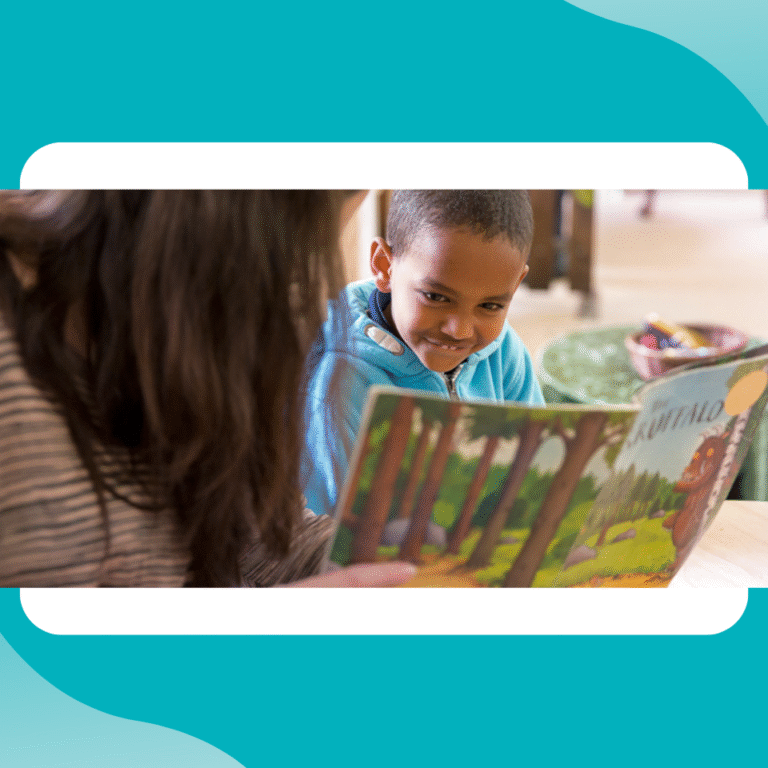
As we reflect on October’s Bilingual Child Month, fka Children’s Services is taking a moment of reflection to explore what it means to be a multilingual child in today’s early learning environment. In Victoria, many children grow up with more than one language; words, songs, and stories connect children to family, culture, and community. For early childhood professionals, this month invites both celebration and reflection It is a reminder that the languages children hold are more than communication tools. Languages are central to shaping identity, supporting lifelong learning and, nurturing healthy brain development.
Every language a child brings matters. Whether through shared songs, bilingual storybooks, or everyday conversations with families, children learn that their languages are valued, and their voices are heard.
Linking to children’s rights, early multilingualism supports children to use and develop their home languages, strengthening identity, belonging, and wellbeing. When children see their languages reflected in the learning environment, they understand that who they are has a place in their community.
When early years professionals intentionally and authentically include the languages spoken within their learning community, they foster what is known as a multilingual ecology. This pedagogical approach values the home languages of children and colleagues as rich resources that enhance the community, rather than as obstacles to overcome. By embedding multilingual practices throughout the entire year rather than limiting them to a single month, we cultivate environments that promote equity, inclusion, and high-quality learning. In these settings, every child is recognised as a capable communicator and a valued member of their community.[1]
Bilingualism as a Strength
Historically, bilingualism in education has been viewed through a mindset that positioned multilingualism as a deficiency rather than a strength. These language policies privileged dominant European languages while marginalising Indigenous and minoritised tongues.
Contemporary research continues to challenge this legacy. A systematic review of over 200 studies found that bilingual and multilingual children exhibit structural and functional differences in brain regions linked to language control and cognitive flexibility, such as task-switching and inhibition.[1] Similarly, a pilot study of Australian early childhood educators revealed that multilingual educators’ emotional and linguistic capital fostered children’s sense of belonging and affirmed their cultural identities.[2] These findings underscore that bilingualism is not a deficit, it is a cognitive, cultural, and social asset that enhances children’s ability to navigate complex social worlds and engage in lifelong learning.
Because bilingual children often interpret and express ideas across languages, many show flexible thinking and creative problem solving when approaching new tasks. For a single child in your room, this can look like using different strategies during play, adapting a story to fit audience, or persisting when a task requires trying alternate approaches.[3]
Bilingualism and Quality Practice
The Victorian Early Years Learning and Development Framework (VEYLDF) underlines that the “rich array of languages and cultures enable many opportunities for valuing and strengthening multilingual capabilities, respecting cultural diversity, supporting common values and building social cohesion.”[4]
Embedding children’s home languages into early learning programs is not optional, it is good pedagogy and aligns with the National Quality Standard (NQS) and Child Safe Standards, which highlight inclusion, diversity and respect.
ECEC settings can further strengthen their practice by:
How fkaCS Can Support You
At fka Children’s Services, we are committed to supporting early childhood professionals to embed multilingual and culturally inclusive practices.
Explore our:
Recommended Multicultural Resource Centre resources:
Coming soon to the MRC
*If you are not a member, please contact us to discuss your membership options.
Together, let us continue to value every language, every child, this month, and every month.
Looking to strengthen multilingual practice in your service?
Call us on 03 9428 4471 to speak with one of our Pedagogy and Practice Consultants.
References
[1] Victorian Curriculum and Assessment Authority. (2023). Supporting bilingualism, multilingualism and language learning in the early years: Practice guide for early childhood educators. VCAA.
[2] Keary, A., Zheng, H., & Garvis, S. (2025). Australian multilingual early childhood educators’ use of languages in early childhood education settings: findings of a qualitative (pilot) study. European Early Childhood Education Research Journal, 1–15. https://doi.org/10.1080/1350293X.2025.2453866
[3] V. DeLuca, J. Rothman, E. Bialystok, & C. Pliatsikas, Redefining bilingualism as a spectrum of experiences that differentially affects brain structure and function, Proc. Natl. Acad. Sci. U.S.A. 116 (15) 7565-7574, https://doi.org/10.1073/pnas.1811513116 (2019).
[4] Department of Education and Training (2016). Victorian Early years Learning and Development Framework – For All Children From Birth To Eight Years. p.18 https://www.education.vic.gov.au/Documents/childhood/providers/edcare/veyldframework.pdf
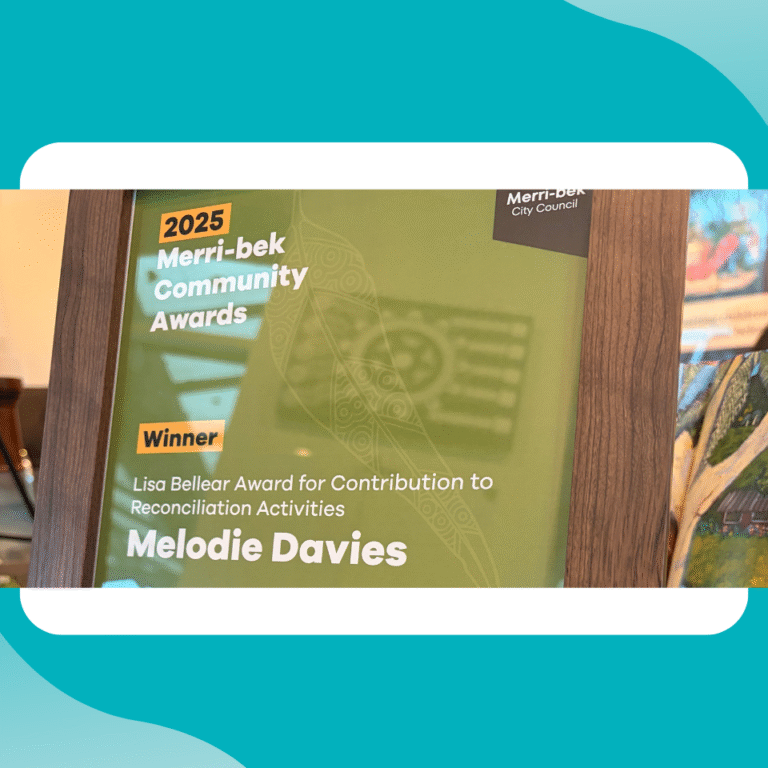
We are proud to congratulate our Executive Director, Melodie Davies, on receiving the Lisa Bellear Award for Contribution to Reconciliation Activities as part of the 2025 Merri-bek Community Awards.
Melodie has been recognised for her ethical, active and respectful allyship in advancing Reconciliation within the early childhood sector. Through her leadership at fka Children’s Services, Melodie continues to champion culturally responsive practice and meaningful engagement with First Nations communities, embedding Reconciliation in the everyday experiences of children, families and educators.
This award is a well-deserved acknowledgment of Melodie’s commitment to building respectful relationships and creating spaces where every child’s culture and identity are valued.
Read more about the 2025 Merri-bek Community Award winners here.
Welcome to Members eNews Term 3!
In this issue, we explore how educators can embed a culture of children’s rights at the centre of practice and decision-making, with a spotlight on the work of Yallabirrang Kindergarten and Springvale Service for Children. We also reflect on the National Child Protection Week theme, ‘Every conversation matters’, highlighting resources from the Multicultural Resource Centre and beyond to provide practical tools for building safe and supportive environments for children.
Content:
Feature Article: Living a Culture of Children’s Rights: Putting Children at the Centre of Every Decision…p2
From the Multicultural Resource Centre…p9
fkaCS and Sector Updates …. p. 12
NQF Child Safety Changes From 1 September 2025 and January 2026
In December 2023, ACECQA published the Review of Child Safety Arrangements under the NQF (the Review), undertaken at the request of Education Ministers. The Australian, State and Territory Education Ministers have agreed to changes to the National Quality Framework (NQF). This information sheet explains the changes for providers and their services.
Changes will commence later for services and providers in Western Australia. Please check the legislation for commencement dates.
Changes to the Education and Care Services National Regulations will commence on 1 September 2025.
Refinements to the NQS will commence on 1 January 2026. To learn more, go to https://www.acecqa.gov.au/latest-news/upcoming-regulatory-changes
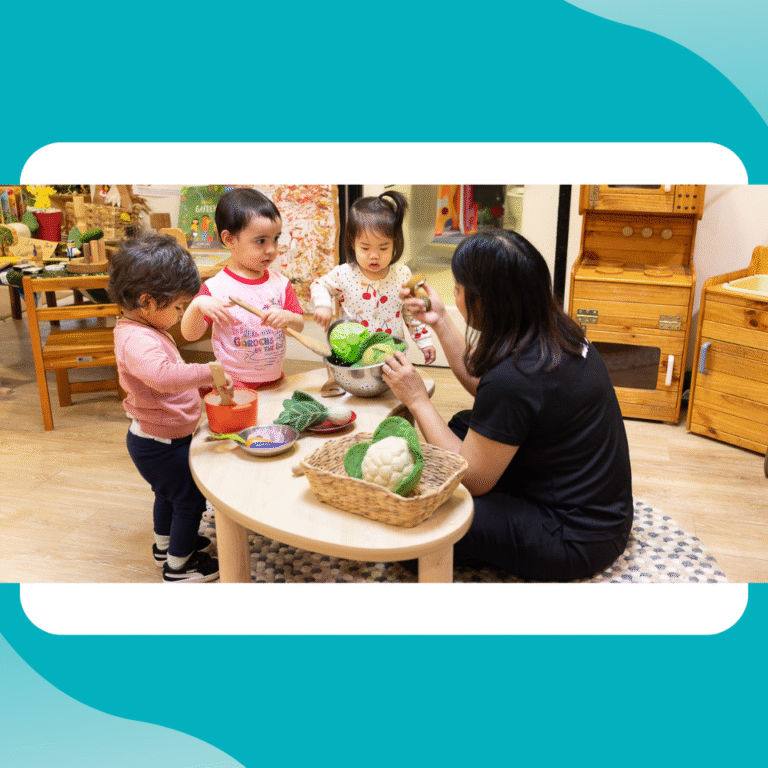
Welcome to Members eNews Term 2!
In this edition, we focus on our recent Annual General Meeting and turning aspirations into action when it comes to embedding children’s rights in early childhood practice. We also find out how to engage with multilingual families about the Child Information Sharing Scheme.
You’ll also find highlights from the 2025 Early Childhood Language Program Forum, reflections and resources for NAIDOC Week, updates from the Multicultural Resource Centre (MRC), and the latest sector news and tools to support culturally responsive and inclusive education.
Contents:
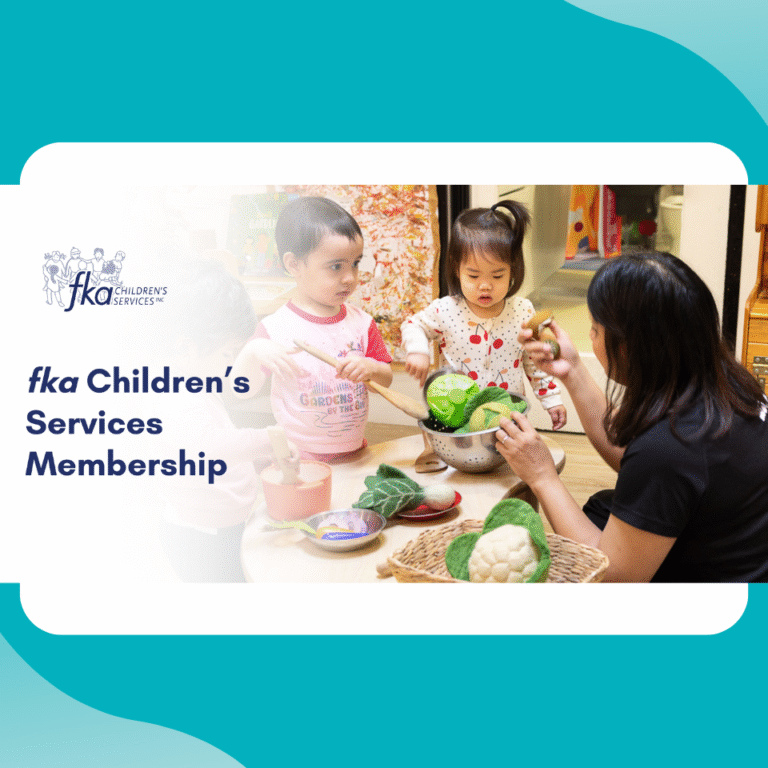
fka Children’s Services (fkaCS) invites Victorian early childhood professionals, services, and organisations to join our association for the 2025–26 membership year and be part of a commitment to advancing equity, belonging, and the cultural and linguistic rights of all children.
“Our members are educators, leaders and organisations who are committed to responsive, high-quality early childhood education, education that upholds every child’s right to identity, language and culture. They strive to create early learning environments where all children and families feel seen, valued and included,” Melodie Davies, Executive Director, fkaCS.
For over a century, fkaCS has worked in partnership with the early childhood education and care sector to uphold every child’s right to feel safe, respected, and represented in their earliest learning environments. As a proud Victorian not-for-profit organisation, we are deeply committed to supporting educators, leaders and services to embed culturally responsive, rights-based practice that reflects the strengths and diversity of children, families, and communities.
By becoming a member, you join a professional community dedicated to:
Member Benefits
As a member of fkaCS, you will receive:
“By becoming a member of fkaCS, you join a collective voice advocating for the rights of all children and families to fully participate in high-quality early childhood education, where their cultures, languages and identities are genuinely recognised and reflected. Together, we support and strengthen early learning services that respect, value and celebrate diversity and difference.” Melodie Davies, Executive Director, fkaCS.
Membership is now open for the 2025–26 year.
Join us in shaping a more inclusive, equitable and culturally responsive early childhood sector.
To learn more and sign up, visit: https://fka.org.au/join-our-association

Two new resources have been created in partnership with the Child Information Sharing Scheme and the Victorian Department of Education to support early childhood professionals to build and maintain collaborative relationships with multilingual families when engaging in the Child Information Sharing Scheme
Engaging multilingual families in the Child Information Sharing Scheme
The resource Engaging Multilingual Families in the Child Information Sharing Scheme is now available. It supports early childhood professionals to build trust and foster collaborative partnerships with multilingual families when engaging in Child Information Sharing.
Child Information Sharing Scheme Case Study: Engaging families who do not share your language.
A new case study, Engaging families who do not share your language, highlights practical strategies for building trust and communicating effectively with multilingual families when engaging in Child Information Sharing. This resource supports early childhood professionals to uphold children’s safety and wellbeing while fostering culturally responsive partnerships with families
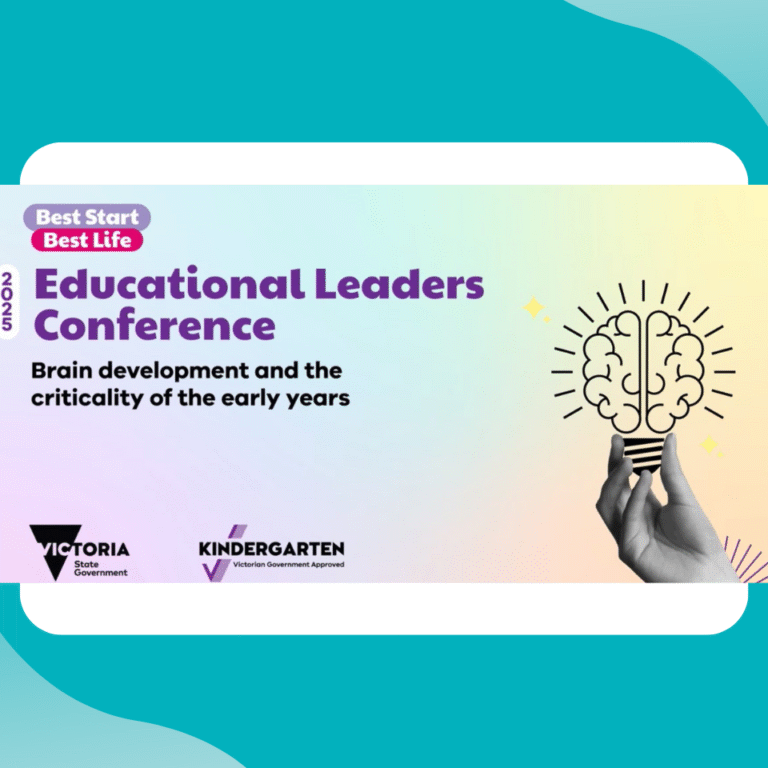
The second Best Start, Best Life: Educational Leaders Conference was held on Friday 28 March 2025 and brought together more than 1,500 early childhood Educational Leaders, experts and practitioners from across the state. The conference theme was ‘Brain development and the criticality of the early years’. Resources are now publicly available on the conference website, including:

This year, the Department of Education’s Victorian Early Years Awards (VEYA) are celebrating 20 years of recognising the outstanding work of early years professionals to improve the health, learning, development and wellbeing of Victorian children and their families.
Nominate yourself, a colleague, an early childhood professional, a service or an organisation that has demonstrated leadership, outstanding achievement, or innovation.
Eligible organisations include early childhood services, local government services, community organisations, health services, disability services, and more.
The 9 award categories are:
Winners of each category will receive a grant of $15,000 for professional development or to support their early years initiative. The finalists in each category are also eligible to win the prestigious Minister’s Award, selected by the Minister for Children.
Nominations close 5 pm, Thursday 12 June 2025. Visit vic.gov.au/victorian-early-years-awards to nominate now.
Nomination Writing Support
There are supports available to help you write the best possible nomination. Supports include:
Learn more at vic.gov.au/victorian-early-years-awards-nomination-guide#free-nomination-writing-assistance.
Questions about nominations?
Email the Victorian Early Years Awards team at early.years.awards@education.vic.gov.au.
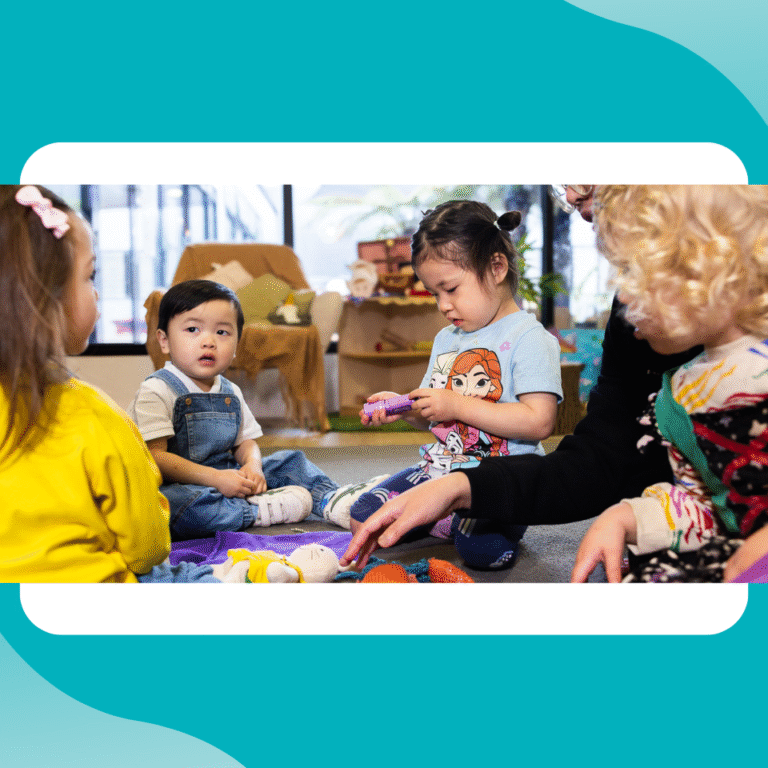
fka Children’s Services is pleased to share the latest episode of Early Childhood Australia’s (ECA) Podcast Series, featuring our own Ashley Howden, Manager of Social Inclusion Pedagogy and Practice.
In this episode, Ashley Howden and Kelly Brand (Foundation House) discuss how early childhood professionals can support building and maintaining relationships with multilingual families when engaging in Victoria’s Child Information Sharing Scheme. Their insights provide practical guidance for fostering inclusivity and culturally responsive practices.
Tune in to gain valuable perspectives on navigating information sharing with empathy and equity.
Listen now on Spotify, Amazon Music or Apple Podcasts.
Welcome to the first fkaCS eNewsletter of 2025.
We’re excited to share updates, insights, and resources to support your work with children, families, and communities.
In this edition, we explore how to develop a meaningful approach to celebrating and acknowledging days of significance and how to be an active and supportive bystander in an early childhood education environment.
Are you looking for a new opportunity to share your vision for high-quality, inclusive early childhood education? fka Children’s Services is seeking two new Board members. Learn more about these openings and consider joining our Board!
As we look towards Term 2, we continue to work collectively to deepen our shared commitment to cultural inclusion and belonging in early childhood education.
Thank you for taking this journey with us.
Contents

Welcome to the final Members eNews for 2024!
In this issue, we are thrilled to announce the launch of our new website and free eLearning Series: Engaging with Multilingual Families about Kindergarten. In this edition’s feature article, we explore creating a Multilingual Ecology in Early Childhood that fosters linguistic diversity and awareness.
To support you in exploring Christmas we look at resources available in the Multicultural Resource Centre that encourage reflection about how Christmas
is ‘celebrated’, and how global traditions influenced the ways families and colleagues at your service mark the occasion.
Contents

In this issue we dive into relationships, trust and belonging leading quality. We look at the new resources available in our Multicultural Resource Centre (MRC) and start a conversation about going beyond resources and materials to support children in their identity.
Contents

Are you ready to enhance your team’s pedagogy and practice in early childhood education?
fka Children’s Services (fkaCS) offers expert training in Culturally Responsive and Respectful Practice tailored specifically for early education and care services.
Our programs are designed to help your team understand and implement strategies to effectively support multilingual families and reduce the barriers to active participation.
Our training aligns with the Victorian Early Years Learning and Development Framework, the National Quality Standards, and the Child Safe Standards, ensuring you receive the best possible learning outcomes.
Why choose fkaCS?
Take advantage of the Professional Development Subsidy!
All Child Care Subsidy approved providers can apply for a Professional Development Subsidy to help cover the cost of backfill while your staff attend training or provide a supplement for training done outside of work hours.
Applications for Round 2 open 13 January 2025. Click here for more information.

In this issue we take a deeper look at equity in practice. We recount the events fkaCS has been a part of and hosted, including our Annual General Meeting, the Early Childhood Language Program Annual Forum and the Ballarat Children’s Services Expo.
We introduce an exciting new membership partner, Cultural Infusion, and we explore some of our Multicultural Resource Centre (MRC) resources that support children in their self-esteem and identity.
Contents

12/08/1947 – 08/06/2024
It is with great sadness that we announce the passing of Margaret Courtney, a much-loved member of the fkaCS family and a dedicated member of the team for over 15 years.
Margaret began her role as Secretary for then Director Ms Heather Moorhead AM and later Secretary for the Multicultural Resource Centre, Head of Administration and Secretary for Executive Director, Dr Priscilla Clarke OAM.
Dr Priscilla Clarke has shared the following thoughts about Margaret dedication and commitment to fkaCS: Margaret was not only in charge of the other administrative staff but looked after the band of loyal volunteers, that kept fkaCS going. Margaret always made sure there were plenty of tasks for them to do, keeping them comfy with cups of tea and ensuring they felt important and appreciated.
In her role as Head of Administration, Margaret supported and encouraged all staff, including consultants, admin staff and bilingual staff. Margaret was a wonderful support and friend to me as Executive Director. Both Margaret and her husband provided exceptional support to fkaCS that far exceeded her role, such as making delicious sponges cakes for special occasions, including the FKA Centenary celebrations.
Margaret was both a wonderful secretary and friend, and I will miss her.
Dr Priscilla Clarke OAM
Former Director, fka Children’s Services

In this issue, we hear from The Specialist Early Education and Development (SEED) program. SEED is an intensive early childhood education and care model trial operating in partnership between Uniting, Federal and State Departments of Education, Parkville Institute and The University of Melbourne.
Following the themes of SEED we continue to discuss the everyday, simple, yet big acts of inclusion and connection that occur in early years settings. We demonstrate how fkaCS’ Story Bags can support teachers and educators in their intentional teaching, and highlight some of the new resources available in our Multicultural Resource Centre (MRC).
Contents

After conducting a thorough risk assessment and on the advice of the CFA fire Danger Ratings, Bureau of Meteorology, Vic Emergency and the Victorian Department of Health, the Ballarat Children’s Services Expo has been postponed and will no longer run on Wednesday 28 February 2024.
The CFA fire danger rating for this day is forecast as Extreme for the Central, North Central, South-West and Wimmera regions. The wellbeing and safety of participants, staff and wider community is our priority. We will be in touch shortly with a revised date.
Happy holidays from the team at fka Children’s Services!
Our office and the Multicultural Resource Centre will be closed from midday, Thursday 21 December 2023. We will re-open on Wednesday 10 January 2024.
We wish you a safe and relaxing holiday period and look forward to working with you in the New Year.

In this issue, we learn about early childhood educators’ viewpoints on linguistic and cultural diversity through research conducted by Associate Professor Yvette Slaughter from The University of Melbourne.
Following the themes of this research we continue to discuss strengthening children’s identities using integrated teaching and learning approaches.
We open a reflective practice discussion on how the books we provide for young children impact their identity and belonging, and we showcase some of the new resources now available in our Multicultural Resource Centre (MRC).
Contents

In this issue, we focus on how as a sector we can strengthen our inclusive practices through a social cohesion model. We also discuss how the innovative use of your School Readiness Funding can support you in achieving bigger goals.
We highlight National Aboriginal and Torres Strait Islander Children’s Day and the resources you can consider including in your environment when engaging in this important event.
We also make a special acknowledgment to Fay Stewart-Muir, 2023 recipient of the Medal of the Order of Australia (OAM) for her invaluable contribution to the early childhood education and care sector.
Contents

This term, we’ve got our Annual General Meeting with some wonderful guest speakers: author of the children’s book Why Does Mum Wear A Hijab? and other titles, Amal Abou-Eid is joining us along with Associate Professor Brigid Jordan AM and Dr Anne Kennedy to talk about their work with Parkville Institute – Changing children’s life trajectories: Research, evidence and practice.
In this newsletter we highlight just a few from the range of new resources in the MRC for you to borrow to support inclusion, social and emotional wellbeing in your service. We highlight some of the happenings for the sector and we dig a little on using labels for multilingual families in early childhood.
We’re looking forward to seeing you at the AGM on Wednesday 24 May. Please RSVP by 17 May to fkacs@fka.org.au.
Contents
